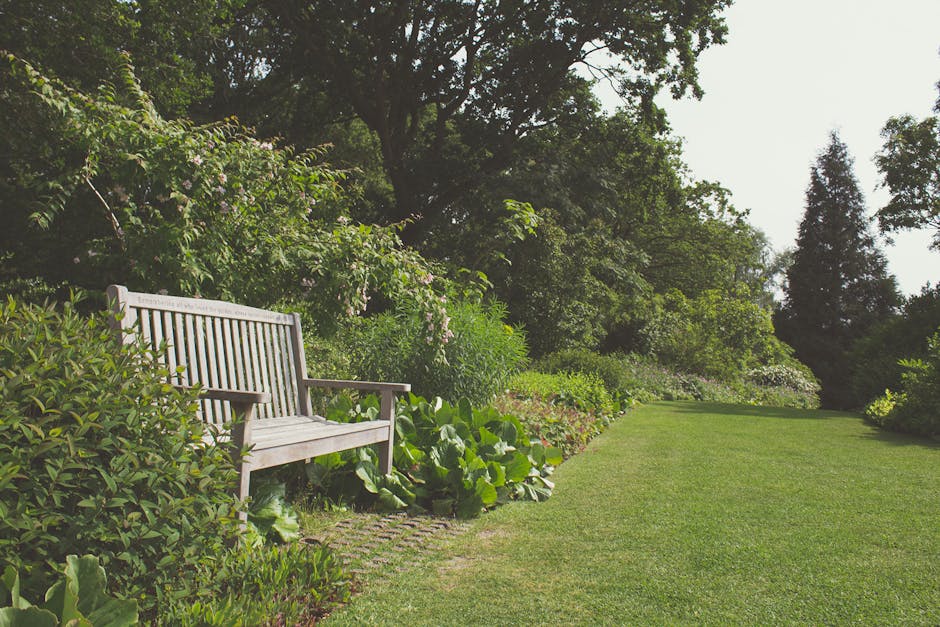
Gardeners near Hadley Wood station for small yards: practical ideas for compact outdoor spaces
If your garden is more "cosy corner" than spacious lawn, you're not alone. Many homes near Hadley Wood station have small yards that need clever planting, tidy structure, and maintenance that actually fits real life. Finding the right gardeners near Hadley Wood station for small yards is less about grand transformations and more about making every square metre work harder. The right approach can turn a cramped patch into a place that feels lighter, greener, and easier to live with. And yes, without turning your weekend into a second job.
In this guide, we'll look at what makes small-yard gardening different, how local gardeners usually approach compact spaces, what benefits you can expect, and how to decide which services are worth prioritising. You'll also find practical steps, a comparison table, and a checklist you can use before you book anything.
Why Gardeners near Hadley Wood station for small yards Matters
Small yards ask for a different kind of skill. There is nowhere to hide mistakes, and that is exactly why local experience matters. A good gardener understands how to create scale, balance, and breathing room in a tight area, rather than simply packing in more plants. In a compact space, one awkward hedge or a patch of tired lawn can make the whole yard feel smaller than it is.
Near Hadley Wood station, many homeowners want gardens that look neat from the window, feel usable after work, and don't become high-maintenance traps. That means planning with restraint. A compact yard can still have structure, scent, privacy, and seasonality, but only if the layout is sensible from the start.
There's also a practical side. Small gardens often show wear faster: compacted soil, patchy grass, moss, weeds in tiny paving joints, and plants that outgrow their spot quicker than expected. That's where the right mix of routine care and smart design comes in. If you want more inspiration for easy-care planting, the ideas in this ground cover guide are a useful starting point.
Expert summary: In a small yard, good gardening is not about doing more. It's about choosing fewer, better moves that improve flow, reduce clutter, and keep maintenance realistic.
How Gardeners near Hadley Wood station for small yards Works
The process usually starts with a simple but important question: what do you want the space to do? A garden for quiet morning coffee needs a different layout from one that has to handle children, pets, storage, and regular entertaining. In a small yard, function drives design.
A good local gardener will usually begin with an assessment of light, drainage, access, and existing features. They'll look at where the sun lands, where shade stays stubborn, how water moves after rain, and what can be saved. That first walk-through often reveals the biggest opportunities. Sometimes the issue is not lack of space at all; it's just awkward use of the space already there.
From there, the work often falls into a few phases:
- Clear and simplify - remove clutter, self-seeded growth, and tired features that consume room.
- Rebalance structure - define edges, paths, and focal points so the yard feels intentional.
- Choose the right planting - compact shrubs, climbers, container displays, and low-growing plants that suit the conditions.
- Improve surfaces - refresh paving, edging, and lawn areas so the whole space feels cared for.
- Set up maintenance - regular trimming, weeding, feeding, and seasonal adjustments to keep the result tidy.
If the garden is especially tight, solutions like vertical planting, wall training, and containers can make a major difference. That's why articles such as vertical gardening for space-saving layouts and container gardening ideas are so relevant here. They solve the classic small-yard problem: how do you add life without eating up usable ground?
Truth be told, small yards are often easier to improve quickly than larger gardens. You can see the impact sooner. A single tidy border or a smart hedge line can change the whole mood in an afternoon. It's quite satisfying, actually.
Key Benefits and Practical Advantages
When small gardens are handled well, the improvement is not subtle. You notice it every time you step outside.
- Better use of limited space - paths, seating, and planting all work together instead of competing for room.
- Lower maintenance pressure - fewer awkward corners, better plant choices, and less work chasing weeds.
- Stronger visual order - a compact yard feels calmer when it has a clear structure.
- More privacy - screening can be added with hedges, climbers, or fencing without overloading the layout.
- Improved seasonal interest - the right planting mix keeps the space attractive for more of the year.
- Higher everyday usability - you can actually sit, move, and enjoy the garden rather than simply pass through it.
There's a practical benefit that people sometimes overlook: a neat small yard tends to stay neat. Once the right boundaries, planting rhythm, and maintenance plan are in place, the space becomes easier to keep under control. That matters if you're busy, commuting, or simply not keen on endless weekend jobs.
If privacy is part of the brief, hedges and evergreen climbers can be excellent in compact gardens. The guide on fast-growing hedges for screening is helpful if you want a natural barrier without making the yard feel boxed in.
Who This Is For and When It Makes Sense
This kind of gardening support is a strong fit for homeowners who want their outdoor space to feel finished rather than fiddly. It's especially useful if you have one of the following situations:
- a narrow courtyard or side yard that never quite looks tidy
- a tiny lawn that needs careful care, not heavy redesign
- a paved garden with a few tired beds that need softening
- a rental or starter home where improvements need to be practical
- a family yard that needs easy cleaning and safe movement
- a shaded corner that feels wasted, damp, or bare
It also makes sense if you've started doing the work yourself and realised the space needs more than the odd bit of weeding. No shame in that. A lot of people begin with enthusiasm and a hedge trimmer, then discover that layout, plant choice, and timing matter just as much as effort.
For some homes, a one-off tidy-up is enough. For others, ongoing garden maintenance is the smarter route, especially if hedges, borders, and paving need regular attention. If you are unsure where to begin, looking at garden maintenance support can help you decide whether you need a refresh or a recurring schedule.
Step-by-Step Guidance
Here is a practical way to approach a small-yard project without overwhelming yourself.
- Start with the space as it is. Notice where the light falls, where you naturally walk, and which parts feel cramped.
- Clear the obvious problem areas. Pull weeds, remove dead plant matter, and cut back anything that is swallowing space.
- Decide the main purpose. Is this a sitting area, a child-friendly space, a low-maintenance garden, or a mix?
- Set a structure. Add borders, edging, or a simple path so the layout feels ordered.
- Choose compact planting. Use smaller varieties, repeat planting groups, and vertical interest rather than bulky beds.
- Improve the surfaces. Clean paving, refresh gravel, and make sure any decking or path areas are safe and tidy.
- Build in privacy and softness. A hedge, climbers, or a trellis can make the garden feel private without closing it in.
- Plan maintenance from day one. If a design needs weekly attention, it may not be the right design for a tiny yard.
In small spaces, the order of operations matters. A lot. If you install planting before sorting the surface, or cut back hedges before solving drainage and access, you often end up doing things twice.
One useful example: if you have a bare wall, train climbers or use stacked planting rather than trying to squeeze in a large border. If the yard is exposed to wind, lean on protective planting and structure. The article on windproofing a green space covers sensible ideas for exposed plots, and it is more useful than you might expect for compact yards.
Expert Tips for Better Results
Small gardens reward careful judgement. The best results usually come from decisions that feel slightly restrained at first.
- Use repetition. Repeating the same plant, pot, or material gives a small garden rhythm and calm.
- Go vertical where possible. Walls, fences, trellis, and slim planters let you add greenery without crowding the floor.
- Keep the palette limited. Too many colours or materials can make a small yard feel busy fast.
- Prioritise edge definition. Crisp borders instantly make compact spaces look more intentional.
- Choose plants for the site, not the dream. A shady yard wants different planting from a sun-trap. Obvious, yes, but still frequently ignored.
- Mix evergreen and seasonal interest. That keeps the garden from looking empty in winter.
If you want lower effort, look for plant combinations that naturally suppress weeds and protect soil. Ground covers are excellent for this, which is why the piece on essential ground covers for UK gardens is worth a read. It's one of those quiet little wins that makes maintenance easier for years, not just weeks.
And don't forget the tiny details. A neat edge, a fresh mulch layer, or a cleaned patio can change how a small space feels more than a dramatic plant purchase. Sometimes the unglamorous jobs do the heavy lifting. Nature is weird like that.
Common Mistakes to Avoid
Small yards often go wrong in predictable ways. The good news is that they are usually fixable.
- Overplanting. Too many plants crowd each other and make the space feel cluttered.
- Choosing oversized features. Big furniture, chunky pots, and bulky raised beds can dominate the area.
- Ignoring maintenance needs. Fast-growing plants may look appealing, but they can quickly become work-heavy.
- Leaving broken structure in place. Wobbly edging, patchy paving, and tired fences drag down the whole look.
- Forgetting drainage. Waterlogging can undo planting choices and create mossy, slippery surfaces.
- Trying to do everything at once. That almost always leads to expensive and messy compromises.
A common one near busy stations and commuter homes is the "I'll sort it later" approach. Later becomes next season, and next season becomes another year of looking at the same half-finished corner. Happens all the time, to be fair.
If weeds are the main battle, a proper plan helps more than a quick tidy. You can explore practical approaches in this weed control guide, which is especially handy for tight spaces where weeds seem to appear overnight.
Tools, Resources and Recommendations
You do not need a van full of kit to maintain a small yard, but the right tools make the job less annoying. And yes, annoying is the correct word here.
- Hand shears and secateurs for precise trimming in small borders
- Compact hedge trimmers for shaping without overcutting
- Lightweight leaf rake for quick clear-ups in narrow areas
- Good kneeling pad or small stool because tiny gardens still involve crouching
- Pressure washer or patio cleaner for hard surfaces that collect grime
- Quality compost and mulch to improve soil and reduce watering stress
For homeowners who prefer a professional touch, it helps to look at services that match the real needs of the space. A compact yard often benefits from a mix of pruning, border care, turf attention, and occasional clean-up work rather than a single dramatic intervention.
That may include lawn care if you still have a small grass section, or patio cleaning if paving is a major part of the layout. If the edges and screens matter, hedge trimming support can make a huge difference. For a broader overview of available help, the main gardening services page is a sensible place to start.
When you're comparing options, don't just ask what gets done. Ask how it will be maintained afterwards. That's the bit people miss, and it matters more than a polished before-and-after photo.
Law, Compliance, Standards, or Best Practice
For most small-yard work, the main concern is not legal complexity; it is safe, sensible, and neighbour-friendly practice. Still, a few basics matter. Garden work should be carried out carefully, with proper attention to tools, access, and any nearby hazards such as uneven ground, electrical fittings, fragile fencing, or overhanging branches.
Where equipment is used, it should be maintained responsibly. Hedges, tree work, and pruning may also need a more cautious approach if branches extend over boundaries or affect access. If a project involves larger cutting, climbing, or machinery, it is sensible to confirm that the work is handled safely and with appropriate insurance. You can review the company's approach through the insurance and safety information and the health and safety policy.
Best practice also means being realistic about what should be left to professionals. A tidy border is one thing. A mature tree leaning into a neighbour's garden is another. Small yards often sit close to fences, walls, and shared boundaries, so precise, careful work matters. The same goes for privacy planting, where a well-shaped hedge is better than a rushed cut that leaves gaps for months.
If you are hiring help, it is fair to ask about payment terms, service scope, complaints handling, and how quotes are built. Clear expectations protect both sides. That is just good practice, nothing fancy.
Useful supporting pages include pricing and quotes, payment and security, and terms and conditions. For background on the business itself, you can also view about us and the complaints procedure.
Options, Methods, or Comparison Table
Different small-yard approaches suit different goals. Here is a simple comparison to help you choose the right route.
| Approach | Best for | Strengths | Watch-outs |
|---|---|---|---|
| Routine maintenance | Yards that are already functional but need tidying | Keeps things neat, manageable, and affordable over time | Won't solve deeper layout problems on its own |
| Light redesign | Spaces that feel awkward, cramped, or underused | Improves flow, focal points, and everyday usability | Needs a clear plan to avoid overcomplication |
| Plant-led makeover | Small yards needing softness, privacy, or more interest | Can transform mood quickly with climbers, shrubs, and containers | Plant choice must suit light, soil, and maintenance levels |
| Surface-led refresh | Paved or tired yards where hard landscaping dominates | Fresh paving, edging, or cleaning can make the whole garden feel newer | Can look stark if planting is not added back in |
If your garden is family-focused, you may also want ideas for safe, engaging layouts. The post on turning a garden into a kids' haven gives a good sense of how to keep things playful without making the space chaotic. For pet owners, pet-safe garden design is equally useful.
Case Study or Real-World Example
Picture a small rear yard near the station: a narrow paved area, a scruffy strip of soil, one tired fence panel, and a couple of pots that have seen better days. It is the sort of space many people ignore for months because, honestly, it feels too small to bother with.
A sensible first pass would not be dramatic. The old pots are removed or regrouped. The paving is cleaned. The fence is checked and tidied. A shallow border is planted with a mix of compact evergreens, low maintenance ground cover, and one or two taller vertical features to draw the eye up. Maybe a slim bench is added, but only if there is still room to move comfortably.
Next, the gardener might reshape the edges so the border looks intentional rather than squeezed in. If there is enough light, a small section is left for herbs or seasonal plants. If the yard is shady, evergreen climbers and shade-tolerant planting do the heavy lifting. The result is not a "wow, where did the extra space come from?" illusion. It is more honest than that. The yard simply feels calmer, cleaner, and far more usable.
That is the real win in a small space. You stop seeing a problem and start seeing a place you can enjoy on a Tuesday evening with a cup of tea, even when the sky is doing its usual British thing.
Practical Checklist
Use this before you book work or start your own refresh:
- Measure the yard and note its narrowest points
- Mark sunny, shaded, and windy spots
- List the main use: seating, planting, pets, children, privacy, or low maintenance
- Decide what can be removed, pruned, or repaired
- Check fencing, paving, and drainage conditions
- Choose 2 to 4 core planting ideas rather than trying to do everything
- Think about how often you want to maintain the space
- Ask whether the work should be one-off or part of a regular schedule
- Review safety, insurance, and payment terms if hiring help
- Make sure the final layout leaves enough room to move comfortably
If you want to keep the space affordable as well as attractive, the ideas in affordable low-maintenance garden tips are a smart companion read. And for a calm, restorative look, the zen garden ideas piece can help you simplify the design without making it feel empty.
Get a free quote today and see how much you can save.
Conclusion
Small yards near Hadley Wood station can become genuinely lovely spaces when they are treated with care, restraint, and a bit of local know-how. The best results come from practical design, proper maintenance, and plant choices that suit the real conditions rather than an idealised picture in your head. That's the trick.
Whether you need a light refresh, a smarter planting scheme, or help keeping a compact garden under control, the right gardener will focus on making the space easier to use and easier to enjoy. Not fancier. Not fussier. Just better.
And if your little yard has been bothering you every time you look out the window, that's usually a sign it's ready for a proper plan. Even a modest improvement can change how home feels. Quietly, but noticeably.
Frequently Asked Questions
What do gardeners near Hadley Wood station usually do for small yards?
They usually focus on tidy maintenance, compact planting, pruning, border definition, surface cleaning, and simple layout improvements that make the space feel bigger and easier to use.
Is a small yard worth landscaping?
Yes, if the layout is awkward, the surfaces are tired, or the garden is hard to maintain. In a compact space, even modest changes can make a strong visual and practical difference.
How often should a small garden be maintained?
It depends on the planting and layout, but many small gardens benefit from regular attention every few weeks during the growing season. Fast-growing hedges and lawns may need more frequent care.
What plants work best in a compact yard?
Smaller shrubs, climbers, evergreen structure plants, herbs, ground cover, and container planting tend to work well. The best choice depends on light, wind, and soil conditions.
Can a small yard still have privacy?
Absolutely. Hedges, trellis planting, climbers, and carefully placed screening can improve privacy without making the garden feel boxed in.
What is the difference between garden maintenance and landscaping?
Garden maintenance is the ongoing care of an existing garden. Landscaping usually means changing the layout, structure, or hard surfaces in a more noticeable way.
Do small yards need professional help, or can I do it myself?
You can often handle basic upkeep yourself, but professional help is useful when the space needs design changes, precise pruning, hedge shaping, surface cleaning, or a reset after years of neglect.
How do I keep a small yard from looking cluttered?
Use fewer materials, repeat plant choices, keep edges clean, and avoid oversized features. Simplicity usually looks better in tight spaces.
Are lawn areas a good idea in a tiny garden?
Sometimes, yes, but only if the lawn is genuinely useful. In very small yards, a tiny strip of lawn can become high-maintenance, so paving, planting, or mixed surfaces may be more practical.
What should I ask before hiring a gardener for a small yard?
Ask what they recommend for your space, how they would maintain it, whether the work is one-off or ongoing, and how pricing, safety, and payment are handled.
How can I make a narrow garden feel wider?
Use clear lines, pale or tidy surfaces, layered planting, and vertical features. Avoid too many competing shapes or bulky objects near the centre of the space.
What if my yard is shady or windy?
Then plant choice matters even more. Shade-tolerant planting, wind-resistant structure, and the right shelter can make a big difference. A garden that is matched to the site always behaves better.
Where can I learn more about services and next steps?
Start with the main gardening services page, then review pricing and quotes if you are comparing options. If you are ready to talk through your yard, the contact page is the next step.